6 min read
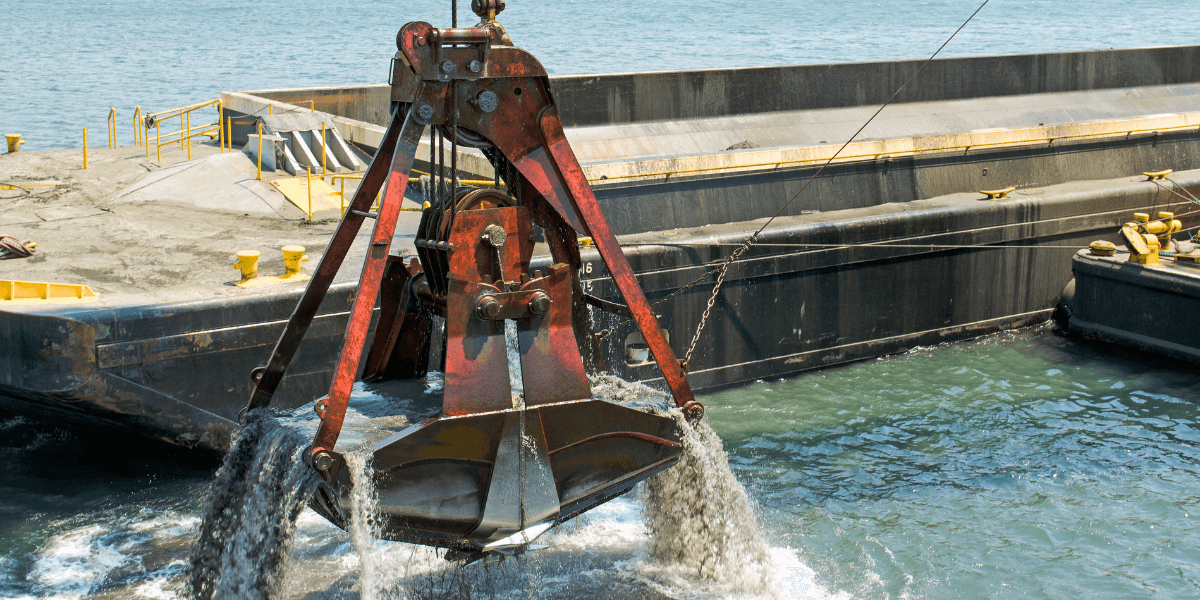
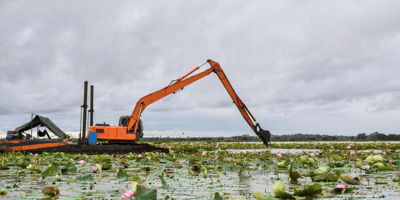
Dredging is the excavation of material from one level to another. It is used for a large variety of reasons, including to maintain channels or harbors, remove sedimentation and improve water quality, create new landforms such as islands or boat ramps.
Given its technological advances, dredging is one of the best ways to keep the waterways clean and healthy. As we continue to dredge, our environment will become more prosperous and less toxic.
Here are the six top benefits of dredging that you may not have known about:
-
How Does Dredging Support Civil Engineering Through Land Reclamation?
-
How Can Dredging Protect Ecosystems Through Environmental Remediation?
-
Why Is Dredging Beneficial for Wildlife and Aquatic Life Preservation?
-
How Does Dredging Aid in Environmental Emergencies Through Cleanup Applications?
-
How Can Dredging Restore Former Mining Areas Through Mine Reclamation?
- Ready to Start Your Dredging Project? Partner with Experts.
- Frequently Asked Questions

Why is Dredging Important for Waterway Project Preparation?
Dredging plays a crucial role in waterway project preparation, serving as the initial step in many underwater construction projects.
By removing sediments and debris from channels, harbors, and other water bodies, dredging creates a clear path for the construction of bridges, docks, piers, and undersea tunnels. This process ensures that these structures can be built on a solid foundation, promoting safe navigation and facilitating efficient transportation of goods and people.
Key advantages include:
-
Clears sediments for safe bridge, dock, and pier construction
-
Enables undersea tunnel projects on stable foundations
-
Reduces overall project timelines and costs
-
Supports commercial navigation and cargo transport
Efficient dredging operations can significantly reduce project timelines, allowing construction crews to move forward promptly, thereby reducing overall project costs and minimizing potential delays.
How Does Dredging Support Civil Engineering Through Land Reclamation?
In the field of civil engineering (specifically in the field of structural engineering), dredging plays a crucial role in land reclamation projects. Sediment removal during dredging operations serves as a valuable source for building projects and urban development. The liberated sediments are carefully dried out and transported to locations where additional land or construction materials are needed.
This process not only creates more space but also enables the expansion of infrastructure, the establishment of new communities, and the restoration of degraded land. By utilizing dredging for land reclamation, civil engineers can employ sustainable practices to address land scarcity, support urban growth, and promote responsible land use planning.
Benefits for civil engineering projects:
-
Provides sustainable fill material for urban expansion
-
Reduces reliance on traditional quarrying
-
Enables new community development and infrastructure growth
-
Promotes responsible land-use planning
Dredging reduces the strain on traditional quarrying and excavation methods, providing an environmentally friendly alternative for sourcing construction materials.
How Can Dredging Protect Ecosystems Through Environmental Remediation?
Dredging also plays a vital role in environmental remediation efforts. While not all dredge spoils are contaminated or toxic, there are instances where dredged sediments carry hazardous chemicals or pathogens. In such cases, dredging becomes necessary to remove these pollutants from the water column, thus safeguarding aquatic ecosystems.
Furthermore, dredge spoils can be strategically deposited in areas where they are needed, serving as nourishing materials for beaches, ponds and wetlands. This approach helps replenish coastal sediment deposits that naturally erode due to wave action, wind, and other factors, promoting ecological balance and preserving the natural beauty of coastal areas.
Strategic uses of dredged material:
-
Nourishes eroding beaches
-
Restores wetlands and ponds
-
Removes contaminated sediments to protect water quality
-
Supports long-term habitat conservation
Through responsible dredging practices, environmental specialists can actively protect vulnerable habitats and contribute significantly to conservation and sustainability initiatives.
Why Is Dredging Beneficial for Wildlife and Aquatic Life Preservation?
Dredging projects are often instrumental in the preservation of aquatic life. By removing pollutants, hazardous substances, and debris from water bodies, dredging helps maintain clean and healthy ecosystems for marine and freshwater species. It not only improves water quality but also creates a favorable habitat for aquatic organisms to thrive.
Dredging efforts can contribute to the restoration of fish spawning grounds, the revival of sensitive habitats, and the overall enhancement of biodiversity. By supporting the preservation of aquatic life, dredging plays a crucial role in maintaining the ecological integrity of our waterways.
Careful dredging practices can improve oxygenation and nutrient distribution, significantly enhancing the living conditions for diverse aquatic species.
Specific ecosystem improvements:
-
Restores fish spawning grounds
-
Improves water oxygenation and nutrient flow
-
Removes pollutants that harm marine/freshwater species
-
Boosts overall biodiversity in waterways
How Does Dredging Aid in Environmental Emergencies Through Cleanup Applications?
Dredging is frequently employed in cleanup applications, particularly in response to environmental incidents such as toxic material spills, sewage spills, or natural disasters. In these situations, dredging serves as an effective method to remove trash, debris, and other contaminants that can compromise water supplies and jeopardize the health of ecosystems.
By swiftly and efficiently removing pollutants through dredging, the restoration process can begin, allowing affected areas to recover and rejuvenate. Dredging's cleanup applications contribute to the protection of public health, the restoration of impacted environments, and the prevention of further ecological damage.
Rapid dredging response plans help minimize long-term environmental and economic impacts, enabling communities to quickly bounce back from crises.
Common emergency applications:
-
Toxic or sewage spill containment
-
Debris removal after natural disasters
-
Rapid restoration of safe water supplies
-
Minimizes long-term ecological damage
How Can Dredging Restore Former Mining Areas Through Mine Reclamation?
After mining activities have ceased in a particular area, mine reclamation is essential to restore the land and support the resurgence of plant and animal life. Dredging plays a significant role in this process by facilitating the restoration of rich topsoil. Materials such as clay, sand, or compost are often mixed with silt dredged from bottom lakes to create nutrient-rich topsoil.
This combination creates an ideal environment where native species can flourish, allowing the land to regain its ecological balance. Through mine reclamation, dredging supports sustainable land management practices, mitigates the environmental impacts of mining activities, and promotes the recovery of ecosystems affected by mining operations.
Restoration outcomes:
-
Creates nutrient-rich topsoil from dredged silt
-
Accelerates native plant and animal regrowth
-
Mitigates mining's environmental legacy
-
Returns land to productive ecological use
Dredging allows quicker recovery of landscapes, encouraging faster reintegration of reclaimed land into productive and ecologically balanced areas.
Ready to Start Your Dredging Project? Partner with Experts.
With so many dredges available for your project, it can be confusing selecting the right one for your project. Fortunately, we take the hassle out of that for you. We offer a complete line of dredge rentals and other equipment for any size job. Our equipment is designed with mobility, reliability, durability, and safety in mind.
In addition, we offer our immaculate dredging equipment for rent to those who wish to DIY their dredging project, from a backyard pond dredging to sand dredging. We offer support and guidance every step of the way.
Whatever your project, whatever the scale, U.S. Aqua Services can help. Call us now!

Related Articles
The Importance Of Dredging - In this blog post, we will discuss the importance of dredging and some of its benefits.
Dredging For Environmental Remediation - This article will explain the importance of environmental dredging as well its benefits while discussing several different techniques used today.
5 Technological Advancements We're Excited to See More of in 2023 - Here are the top five technological advancements that will make waves in the dredging and construction industry in 2023.
About U.S. Aqua Services
U.S. Aqua Services was created to support the dredging process in advancing commerce and responding to its many challenges. To accomplish this, our dredging company assembled an exceptional group of experienced individuals and a diverse inventory of dredge equipment.
We offer dredging equipment rental services so you can have access to the latest and greatest in dredging technology without having to pay to maintain it, transport, and store it, along with dewatering services.
With an emphasis on mobility, dependability, durability, diversity, efficiency, and safety, our dredging rental company can ensure that our different types of dredging systems are easy to move through any terrain and can work in the most rugged and remote environments. Our multi-function hydraulic systems are built with jetting and mechanical options that can efficiently move loose sediment or stiff layers of clay.
US Aqua services also and maintains a ready fleet of amphibious equipment capable of completing projects in some of the harshest and most remote environments. U.S Aqua is also the dealer for Louisiana of the amphibious vehicle Fat Truck. No matter the size or scope of the job or the remoteness of your work location, you can rely on Fat Truck’s industrial off-road utility vehicles to get the job done right.
%20(1).png?width=400&height=225&name=A%20large%20boat%20with%20dredging%20equipment%20in%20a%20large%20channel%20of%20water%20clearing%20sediment%2c%20powered%20by%20U.S.%20Aqua%20(2)%20(1).png)
.png?width=400&height=225&name=Three%20different%20types%20of%20dredging%20equipment%2c%20all%20doing%20different%20dredging%20jobs%2c%20rented%20out%20by%20U.S.%20Aqua%20out%20of%20Louisiana%2c%20servicing%20the%20Gulf%20Coast%20and%20beyond.%20(1).png)