7 min read
Don't drain your pond to clean it. Hydraulic and suction dredging pump muck off the bottom while the pond stays full, so your fish, shoreline, and trees survive the job. Get the sediment tested and your permits confirmed before anyone brings equipment to the water.
A pond needs regular cleaning to stay healthy for fish, wildlife, and the land around it.
To dredge a pond without destroying it, use hydraulic or suction dredging instead of draining the pond and digging it out with heavy equipment. These methods pump sediment off the bottom while the water stays in place, so fish, shoreline plants, and nearby trees aren't disturbed.
Ponds are small bodies of standing water that get no fresh inflow, so they turn unhealthy fast. Sediment, silt, and trash fill in the bottom. That build-up cuts the water volume and the oxygen available to fish and plants.
The solution: Dredging. Dredging is the best way to keep your pond clean and stop runaway weed growth.
- The Role of Dredging in Maintaining Healthy Habitats
- Mechanical Dredging
- Modern Dredging Techniques
- How to Dredge a Pond: Step by Step
- Pond Dredging FAQs
- U.S. Aqua Services: Pond Dredging Experts

The Role of Dredging in Maintaining Healthy Habitats
Dredging keeps a pond alive by removing the organic matter that would otherwise smother it. Left alone, a pond fills in and dies. Dredging resets the depth and restores oxygen to the water column.
By their nature, ponds start dying the moment they're created. With no fresh water moving in and out, a pond collects organic matter on the bottom: dead leaves, dirt, debris, animal remains.
This piling of organic matter is nature's way of ending "harmful ponds," the ones full of decomposing material and toxic gases that pond life can't survive.
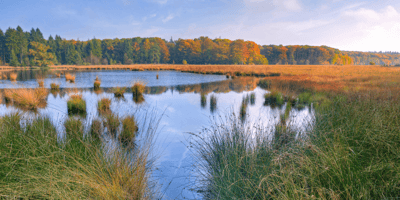
But ponds also support healthy ecosystems. Migrating birds stop here. Frogs, dragonflies, and butterflies make it home. Larger animals like deer use it as a water source.
Today, the dredging industry offers several techniques you can use to dredge ponds while keeping them safe.
Mechanical Dredging
Mechanical dredging removes muck with an excavator or dragline, and it requires draining the pond first. It works, but it's the method most likely to leave your pond worse off than it started.
Mechanical dredging pulls muck, weeds, sediment, and other harmful material out of a pond with a bucket.
For mechanical dredging to happen, the pond has to be drained completely and every fish has to be relocated or lost. The process brings in heavy equipment that usually tears up the entire shoreline and takes down nearby trees along with it. In the end, the pond is often left the worse for wear.
That's the trade-off. Mechanical dredging can move stiff clay and debris that pumps can't handle, but you pay for it in shoreline damage and a restart on your fish population.
Modern Dredging Techniques
Modern pond dredging removes sediment with pumps while the pond stays full of water. These methods keep heavy equipment off the bank, so the pond's ecosystem stays intact.
Here's how the three main approaches compare:
| Method | How it works | Pond drained? | Effect on fish & shoreline | Best for |
|---|---|---|---|---|
| Mechanical dredging | Excavator or dragline scoops material out | Yes | Shoreline torn up, trees lost, fish relocated or killed | Stiff clay, heavy debris, small dry basins |
| Hydraulic dredging | Cutter head loosens sediment, pump moves the slurry | No | Minimal; fish stay in the pond | Deeper ponds, large sediment volumes, long pump distances |
| Suction dredging | Submersible pump vacuums soft muck off the bottom | No | Minimal; bank stays intact | Soft silt and organic muck in small to mid-size ponds |
Pond dredging method comparison: mechanical vs. hydraulic vs. suction.
Hydraulic Dredging
Hydraulic dredging works like a vacuum, not a shovel. Hydraulic dredging doesn't use a "scoop" to remove silt. It sucks up and filters the bottom to pull out contaminants and restore depth.
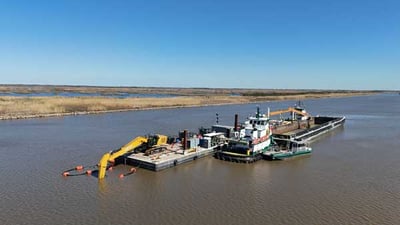
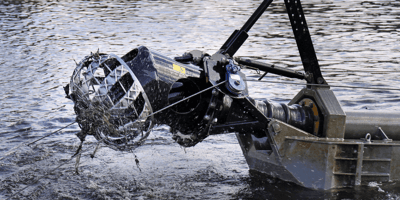
Hydraulic dredges are common on all kinds of jobs, including offshore work. The systems use "mechanical or jetting cutting" technology to chop and stir up the material before moving it through pumps.
U.S. Aqua Services' hydraulic dredging equipment works at depths up to 1,000 feet and moves up to 600 cubic yards per hour.
Suction Dredging Systems
Suction dredging uses submersible pumps to vacuum decomposed muck off the pond bottom without disturbing the bank. For most private and commercial ponds, this is the least destructive option available.
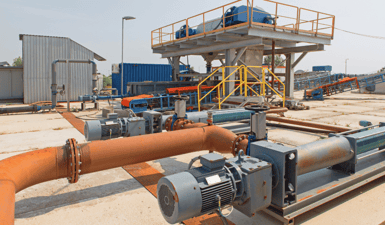
Suction dredging systems use suction pumps (vacuum pumps) to do the work. The pumps go into the pond and pull out bottom sediment and decomposed organic matter, which is usually the root of the problem. In some setups, grinder pumps run in tandem to break down tough solids before pumping.
The most cost-effective disposal method is pumping the material into a field and letting the water and sediment absorb into the ground.
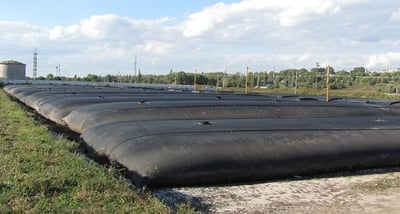
Another option is pumping the silt and water into a dewatering bag. The system moves a low volume of water and a high concentration of solids. The waste material gets separated and managed while the "clean" water returns to the pond, filtering out with good clarity.
This process restores life to your pond, and it usually clears out the bad odors and toxic gases coming off that decomposing matter.
How to Dredge a Pond: Step by Step
Dredging a pond takes seven steps, and the first four happen before any equipment touches the water. Skipping the survey and permit work is how projects end up over budget or shut down.
- Survey the pond and map the sediment. Measure current depth against original depth to find out how much material you're actually removing. This number drives the whole budget.
- Test the sediment. Ponds near farmland, roads, or industrial sites can hold contaminants that change your disposal options and your permit requirements.
- Confirm permits. Check with your state environmental agency, and check whether the pond falls under U.S. Army Corps of Engineers jurisdiction. Get this settled before you schedule anything.
- Choose your method. Soft organic muck suits suction dredging. Larger volumes or deeper water suit hydraulic dredging. Reserve mechanical dredging for stiff clay or debris pumps can't move.
- Plan where the material goes. Field spreading is cheapest when you have the acreage. Dewatering bags work when you don't, and they return filtered water to the pond.
- Dredge in sections. Work the pond in stages so fish have undisturbed water to move into. Keep the water level up throughout.
- Restore and monitor. Reseed any disturbed bank, watch clarity for a few weeks, and set a maintenance interval so you're not doing this again from scratch.
Pond Dredging FAQs
U.S. Aqua Services: Pond Dredging Experts
U.S. Aqua Services understands the need for pond dredging that's environmentally sound and preserves pond life. Our submersible dredge pumps are built for removing silt, sand, and organic matter from a pond. These little powerhouses restore your pond's health fast. You don't need to destroy pond life to clean a pond, and the job doesn't have to be a chore.
U.S. Aqua Services offers dredging services and dredging equipment rentals in Louisiana and throughout the United States. Our team draws on 100-plus years of combined experience to build a solution around your pond.
We work within your budget and your schedule, and we move quickly to get your dredging job finished.
Reach out to our team to get started today!

Related Articles
The Importance Of Dredging - In this blog post, we will discuss the importance of dredging and some of its benefits.
Beneficial Uses For Dredged Materials - Here are some of the most beneficial uses for dredged materials that US Aqua Services has found.
How Dredging Helps With Water Management - Here's more information on how dredging can help with water management.
The Benefits Of Dredging Your Pond - The benefits of pond dredging: sustaining the natural lifecycle, boosting property values, and promoting cleaner water.
About U.S. Aqua Services
U.S. Aqua Services was created to support the dredging process in advancing commerce and responding to its many challenges. To accomplish this, our dredging company assembled an exceptional group of experienced individuals and a diverse inventory of dredge equipment.
We use marsh buggies and amphibious vehicles in our dredging operations to increase efficiency, eliminate headaches, and reduce some of the challenges these high-stress environments create.
With an emphasis on mobility, dependability, durability, diversity, efficiency, and safety, our dredging rental company makes sure our different types of dredging systems are easy to move through any terrain and can work in the most rugged and remote environments. Our multi-function hydraulic systems are built with jetting and mechanical options that move loose sediment or stiff layers of clay.
U.S. Aqua Services also maintains a ready fleet of amphibious equipment capable of completing dredging projects in some of the harshest and most remote environments, no matter the size or scope of the job. No matter the remoteness of your work location, you can rely on U.S. Aqua and our amphibious vehicles to get the job done right.