


Beneficial Uses For Dredged Materials
There was a time when waterways were navigable, beaches pristine, and ecosystems thrived without intervention—but today, ensuring these conditions...
4 min read
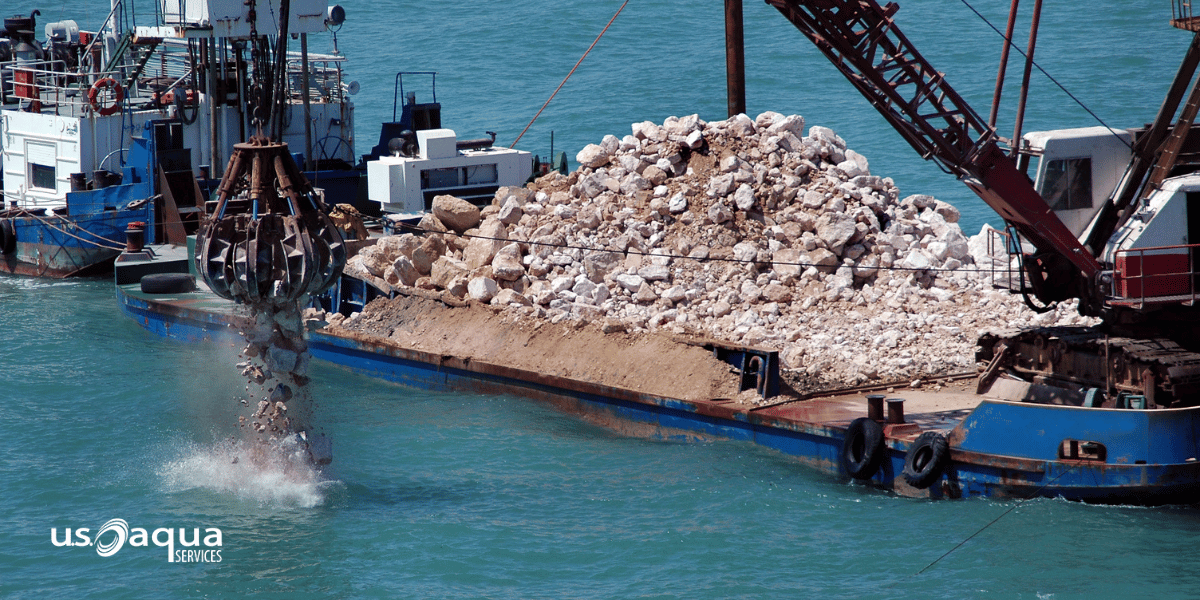
Dredged material, the sediment removed from waterways to maintain navigation, often represents an untapped resource rather than waste. By exploring beneficial uses of dredged material, we can transform this sediment into valuable assets for environmental restoration, infrastructure, and community resilience. This approach not only reduces disposal costs but also supports sustainable development in coastal and riverine areas.
What Role Does Dredged Material Play in Habitat Restoration?
Can Dredged Material Be Applied in Construction and Land Development?
How Does Dredged Material Contribute to Flood and Coastal Protection?
What Are the Main Challenges in Implementing Beneficial Uses of Dredged Material?
Why Partner with Experts for Beneficial Reuse of Dredged Material?
Dredged material is the sediment, soil, and debris removed from the bottoms of rivers, harbors, and other waterways to ensure safe navigation and prevent flooding. It typically consists of sand, silt, clay, and sometimes organic matter or contaminants, depending on the location.
This material is generated through dredging operations conducted by organizations like the U.S. Army Corps of Engineers (USACE) to maintain channels and ports. Historically viewed as waste, dredged material is now recognized for its potential in beneficial applications when properly tested and managed. For instance, clean sand from dredging can mimic natural sediments, while finer materials may require processing.
Beneficial uses of dredged material turn potential waste into resources that support environmental health, economic savings, and community benefits. Instead of costly disposal in landfills or ocean sites, repurposing this sediment reduces environmental impact and creates value in restoration projects.
According to the EPA, most dredged material could be beneficially reused, such as for beach nourishment or wetland development, potentially diverting millions of cubic yards from disposal annually. This practice aligns with sustainability goals, mitigating climate change effects like sea-level rise. Economically, it lowers dredging costs while providing materials for infrastructure.
Dredged material can be used for beach nourishment by placing clean sand onto eroding shorelines to restore and protect coastal areas from storms and erosion.
This method has been successfully applied in projects like those along the U.S. East Coast, where USACE has nourished beaches with millions of cubic yards of dredged sand. For example, in New Jersey, dredged material from navigation channels has rebuilt beaches, boosting tourism and property values.
Dredged material plays a key role in habitat restoration by creating or enhancing wetlands, islands, and aquatic environments that support wildlife and improve ecosystem services.
In Maryland, projects have used dredged material to restore marshes and islands, countering subsidence and sea-level rise while providing habitats for birds and fish. Thin-layer placement techniques apply a shallow layer of sediment to elevate subsiding marshes, as seen in Louisiana's coastal restoration efforts.
Yes, dredged material can be applied in construction and land development as fill for brownfields, landfill covers, road bases, or even topsoil after processing.
Wisconsin projects have utilized dredged material for landfill caps and road slopes, reducing the need for virgin materials. In urban areas, it's used for brownfield remediation, transforming contaminated sites into parks or developments.
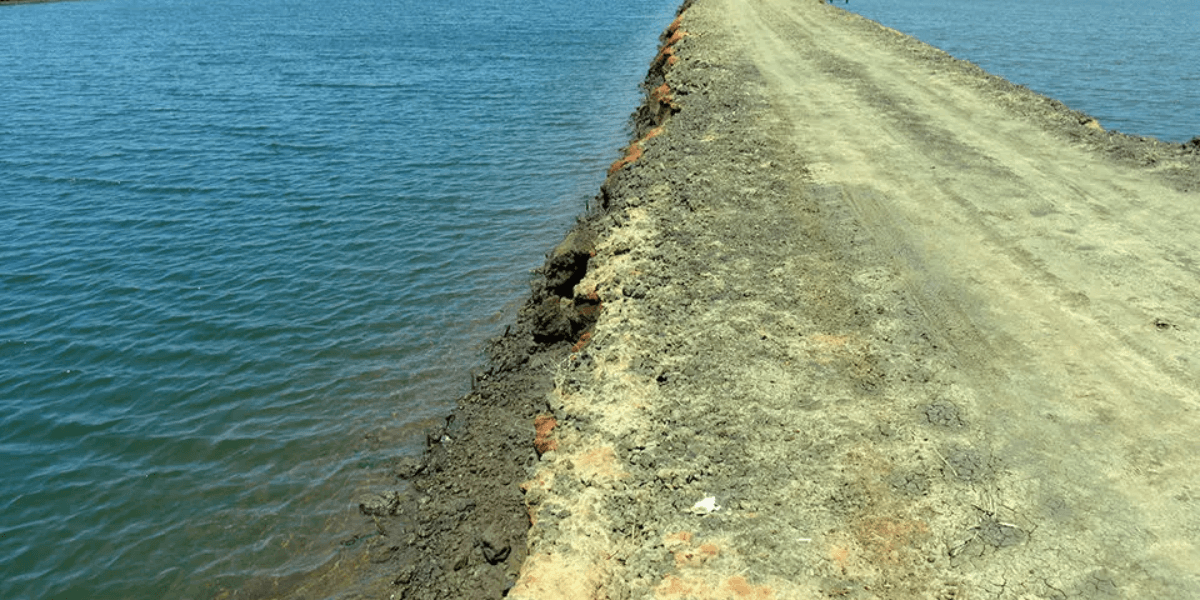
Dredged material contributes to flood and coastal protection by building levees, stabilizing shorelines, and creating barriers that absorb wave energy and prevent erosion.
In the U.S. Gulf Coast, dredged sediments have fortified dikes and restored barrier islands, adapting to climate challenges.
The main challenges include regulatory barriers, intermittent supply of material, public perception issues, and handling fine-grained sediments that are harder to repurpose.
Regulatory hurdles often involve permitting for storage and placement, while supply mismatches demand due to seasonal dredging. Solutions include better planning and public education to build trust.
By embracing the beneficial uses of dredged material, project stakeholders can achieve sustainable outcomes that balance environmental stewardship with economic efficiency.
Companies like U.S. Aqua Services lead the way in this space, offering specialized dredging expertise in coastal restoration, beach reclamation, wetland construction, and environmental remediation, while actively promoting innovative reuse strategies for dredged sediments in habitat enhancement, construction, and beyond.
Partnering with experienced providers ensures your dredging projects not only maintain vital waterways but also maximize the value of this abundant resource for long-term resilience.

U.S. Aqua Services was created to support the dredging process in advancing commerce and responding to its many challenges. To accomplish this, our dredging company assembled an exceptional group of experienced individuals and a diverse inventory of dredge equipment.
We offer dredging equipment rental services so you can have access to the latest and greatest in dredging technology without having to pay to maintain it, transport, and store it, along with dewatering services.
With an emphasis on mobility, dependability, durability, diversity, efficiency, and safety, our dredging rental company can ensure that our different types of dredging systems are easy to move through any terrain and can work in the most rugged and remote environments. Our multi-function hydraulic systems are built with jetting and mechanical options that can efficiently move loose sediment or stiff layers of clay.
US Aqua services also and maintains a ready fleet of amphibious equipment capable of completing dredging projects in some of the harshest and most remote environments. U.S Aqua is also the dealer for Louisiana of the amphibious vehicle Fat Truck. No matter the size or scope of the job or the remoteness of your work location, you can rely on Fat Truck’s industrial off-road utility vehicles to get the job done right.
There was a time when waterways were navigable, beaches pristine, and ecosystems thrived without intervention—but today, ensuring these conditions...
Living near a body of water may raise concerns about dredging operations and their impact on property values and the ecosystem. Dive into this...
%20(1).png)
Dredging is a critical service in a wide range of industries — from environmental restoration to large-scale infrastructure projects. It involves the...