7 min read
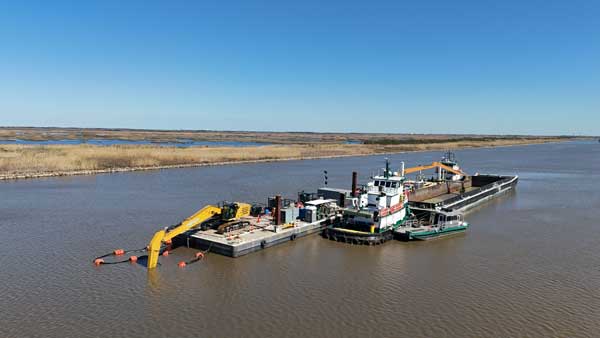
If your site has tight access, contaminated sediment, buried pipelines, or protected habitat nearby, plan for specialty dredging instead of a standard dig-and-haul job. Bring a specialty contractor in during planning, before permits are filed, so equipment, dewatering, and disposal are built into the scope from day one. Ask every bidder for comparable project history, a written sediment handling plan, and proof they've met permit conditions like yours.
Specialty dredging is the removal of sediment from sites where standard dredging equipment can't work safely, legally, or efficiently. When most people hear "dredging," they picture a big ship clearing a shipping channel - and that work is massive. The U.S. Army Corps of Engineers is responsible for close to 300 million cubic yards of dredged material every year, according to the U.S. Army, just to keep the country's waterways open. But plenty of dredging happens far from the shipping lanes: in marshes, retention ponds, industrial lagoons, and right on top of live pipelines. Those jobs play by different rules.

- What Is Specialty Dredging?
- How Is Specialty Dredging Different From Standard Dredging?
- What Types of Projects Require Specialty Dredging?
- What Equipment Do Specialty Dredging Contractors Use?
- When Do You Need a Specialty Contractor?
- What Permits and Regulations Apply to Specialty Dredging?
- How Do You Choose the Right Specialty Dredging Contractor?
- Frequently Asked Questions About Specialty Dredging
What Is Specialty Dredging?
Specialty dredging is sediment removal planned around a constraint that standard dredging can't handle, such as limited access, contaminated material, nearby infrastructure, or protected habitat. The goal is the same as any dredging job - move material from underwater to somewhere else - but the methods, equipment, and controls are chosen to fit a difficult site rather than to maximize volume.
Dredging is the excavation of sediment and debris from the bottom of a water body. Wikipedia's overview of dredging traces the practice back thousands of years to societies that needed to keep harbors and canals open. Standard dredging is built for scale: large vessels, open water, and clean sand or silt that can be placed offshore or on a beach.
Specialty dredging flips those priorities. Precision, containment, and site protection matter more than raw production rates. Most specialty projects fall into one or more of these buckets:
- Access constraints: Shallow water, marsh, or landlocked ponds where a floating dredge can't be launched or moved around.
- Material constraints: Contaminated, oily, or debris-heavy sediment that needs special handling and disposal.
- Proximity constraints: Pipelines, piles, dams, intakes, or structures that careless digging could damage.
- Regulatory constraints: Wetlands, wildlife habitat, or cleanup sites with strict turbidity and monitoring rules.
A specialty contractor is a firm that focuses on a narrow, technical type of work and brings the purpose-built equipment, trained crews, and permit experience that work requires. In dredging, that usually means amphibious equipment, compact pumps, dewatering systems, and a track record on sites like yours.
How Is Specialty Dredging Different From Standard Dredging?
Standard dredging is built for volume in open water, while specialty dredging is built for control on constrained sites. Standard navigation work is huge in scope. Defense Media Network reports that the Corps maintains about 12,000 miles of inland commercial channels and 13,000 miles of coastal channels. Those projects reward big equipment that moves material fast.
Specialty jobs are smaller, but the margin for error is thinner. A cutterhead that's perfect for a harbor entrance could scrape a pipeline coating, stir up buried contaminants, or simply sink in a marsh. Here's where the two approaches split:
| Factor | Standard Dredging | Specialty Dredging |
|---|---|---|
| Typical site | Standard dredging usually happens in open harbors, shipping channels, and large rivers with deep, navigable water. | Specialty dredging happens in marshes, ponds, lagoons, intakes, and tight spaces around existing structures. |
| Equipment | Large hopper, cutter suction, or clamshell dredges do most of the work from floating vessels. | Amphibious excavators, excavator-mounted pumps, portable dredges, and jetting systems are matched to the site. |
| Material | Most material is clean sand, silt, or clay that can go straight to an approved placement area. | Material may be contaminated, oily, or full of debris, and it often needs dewatering before it can be hauled or reused. |
| Primary goal | The main goal is moving the largest possible volume at the lowest cost per cubic yard. | The main goal is removing the right material without damaging the site, nearby structures, or habitat. |
| Environmental controls | Controls typically follow standard permit conditions for turbidity and placement. | Controls often include silt curtains, real-time water quality monitoring, and containment of return water. |
| Crew skills | Crews focus on vessel operations and high-production pumping. | Crews need experience with soft ground, live utilities, contaminated material, and site-specific safety plans. |
For a closer look at the two core methods behind both approaches, see our breakdown of hydraulic vs. mechanical dredgers.
What Types of Projects Require Specialty Dredging?
A project needs specialty dredging when the site, the material, or the surrounding infrastructure rules out standard methods. These are the most common categories:
- Contaminated sediment cleanup. Removing sediment polluted by PCBs, metals, or petroleum demands containment and careful disposal. In 1999 congressional testimony, a senior Corps scientist estimated that 1 to 5 percent of federal navigation dredging material is contaminated enough to need special handling. Cleanup jobs can be large, too: Dredging Today reported that EPA's proposed plan for the upper Lower Passaic River in New Jersey included roughly 387,000 cubic yards of contaminated sediment removal. Our guide to dredging for environmental remediation covers this work in more depth.
- Pipeline support. Exposing, lowering, or reburying pipelines requires jetting and suction work right next to active lines.
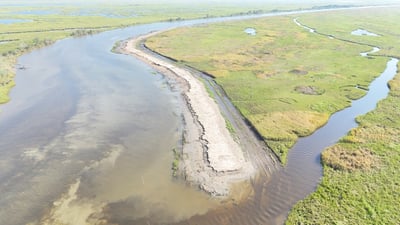
- Marsh and wetland restoration. Moving sediment to build or rebuild marsh calls for low-ground-pressure equipment that won't tear up the platform it's creating.
- Ponds and small lakes. Landlocked water bodies rarely have a launch point for a floating dredge, and their banks are easy to damage.
- Industrial lagoons and settling ponds. Process ponds often hold sludge that must be dewatered and tested before it leaves the site.
- Intakes, dams, and reservoirs. Sediment buildup at water intakes and spillways has to come out without disturbing the structure.
- Pile and dock maintenance. Clearing sediment around piles and bulkheads needs precise control so foundations aren't undermined.
What Equipment Do Specialty Dredging Contractors Use?
Specialty dredging contractors rely on compact, amphibious, and modular equipment that can reach difficult sites and work with precision. The right mix depends on access, water depth, and what has to happen to the material after it's removed.
- Marsh buggies and amphibious excavators. These machines use pontoon tracks to float and crawl across soft ground, so they reach sites no truck or barge can. If you're new to them, start with what a marsh buggy is and how it works.
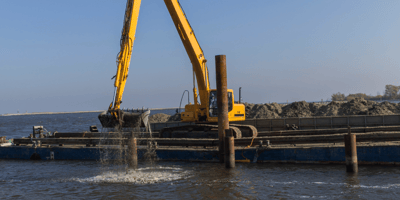
- Excavator-mounted dredge pumps. A hydraulic pump attached to an excavator arm turns a standard machine into a precise dredge for ponds, pits, and tight corners. Here's why excavator-mounted dredge pumps matter on constrained jobs.
- Portable cutterhead dredges. Small, trailerable dredges can be launched into ponds and lagoons where large vessels won't fit.
- Jetting equipment. High-pressure water jets loosen sediment around pipelines and structures, letting crews lower or uncover assets without hard digging.
- Dewatering systems. Geotextile tubes, settling basins, and mechanical presses separate water from solids so material can be hauled, tested, or reused. Compare the options in our beginner's guide to dredge dewatering.
Many owners rent this equipment for one-off projects instead of buying it, especially when specialty work only comes up every few years. Renting also lets you match the machine to the site instead of forcing the site to fit the machine you already own.
When Do You Need a Specialty Contractor?
You need a specialty contractor when a mistake on your dredging project would be expensive, dangerous, or illegal to fix. If any of these apply, a general excavation or marine contractor probably isn't the right fit:
- Your site can't support standard equipment. Marsh, deep muck, or a landlocked pond with no launch point all point toward amphibious or portable gear.
- The sediment may be contaminated. Anything near former industrial sites, fuel storage, or outfalls should be sampled first, and a contractor who handles contaminated material should run the job.
- You're working near buried or submerged infrastructure. Pipelines, cables, intakes, and piles need crews trained to dig around live assets.
- The permit has strict conditions. Turbidity limits, seasonal work windows, and wildlife monitoring call for a contractor who has met those conditions before.
- The material needs dewatering or reuse. If sediment has to be dried, tested, or placed for a beneficial use, the handling plan matters as much as the dredging.
- Downtime is costly. Plants, intakes, and pipelines that can't stay offline long need a contractor who can work inside tight shutdown windows.
- Past attempts didn't work. If a previous crew left the job unfinished, damaged a bank, or caused a water quality violation, the site likely needs specialized methods.
Timing matters here. The best moment to bring in a specialty contractor is during planning, before permits are filed, so the equipment and disposal approach shape the application instead of fighting it later.
What Permits and Regulations Apply to Specialty Dredging?
Most specialty dredging in U.S. waters needs federal permits, and many projects also need state and local approvals. The core federal program is Section 404 of the Clean Water Act, which regulates the discharge of dredged or fill material into waters of the United States, including many wetlands. The Corps of Engineers issues these permits, and work in navigable waters may also fall under Section 10 of the Rivers and Harbors Act.
Contaminated sites add another layer. EPA's explanation of how Superfund cleans up sediment sites lists dredging and excavation, capping, and monitored natural recovery as the most common treatment approaches, and it stresses controlling the pollution source before sediment cleanup starts. Remedies often combine methods. EPA's early-action plan for the East Branch of Newtown Creek in New York City, for example, calls for dredging at least three feet deep so a protective cap can go down without making the waterway shallower.
Permit conditions can also dictate where dredged material ends up. Some permits require clean sediment to be put to work rather than dumped, which is why marsh creation through beneficial use of sediment is now common on coastal projects.
Rules vary by state and site, so confirm requirements with your regulators and an experienced contractor before you lock in a schedule.
How Do You Choose the Right Specialty Dredging Contractor?
Choose a specialty dredging contractor based on proven experience with sites like yours, not on the lowest bid. A low price that skips dewatering, monitoring, or disposal usually comes back as change orders. Use these questions to compare bidders side by side:
| Question to Ask | Why It Matters |
|---|---|
| Have you completed projects with similar access, material, and permit conditions? | A contractor who has worked in comparable conditions already knows where those jobs tend to go wrong. |
| What equipment will you use, and do you own or rent it? | The answer shows whether the equipment fits your site and whether availability could push back your start date. |
| How will you handle, dewater, and dispose of the sediment? | Disposal and dewatering often drive the total cost, so a vague answer here is a warning sign. |
| How will you protect nearby pipelines, structures, and habitat? | A clear protection plan lowers the chance of damage claims, permit violations, and work stoppages. |
| What water quality monitoring and reporting do you provide? | Many permits require documented monitoring, and gaps in that record can put your permit at risk. |
| What is your safety record on marine and amphibious work? | Soft ground, open water, and heavy equipment create risks that call for trained crews and written procedures. |
Key takeaway: The right specialty contractor will talk as much about sediment handling and site protection as about digging. If a bidder only talks about production rates, keep looking.
Frequently Asked Questions About Specialty Dredging

About U.S. Aqua Services
U.S. Aqua Services was created to support the dredging process in advancing commerce and responding to its many challenges. To accomplish this, our dredging company assembled an exceptional group of experienced individuals and a diverse inventory of dredge equipment.
We offer dredging equipment rental services so you can have access to the latest and greatest in dredging technology without having to pay to maintain it, transport, and store it, along with dewatering services.
With an emphasis on mobility, dependability, durability, diversity, efficiency, and safety, our dredging rental company can ensure that our different types of dredging systems are easy to move through any terrain and can work in the most rugged and remote environments. Our multi-function hydraulic systems are built with jetting and mechanical options that can efficiently move loose sediment or stiff layers of clay.
US Aqua services also and maintains a ready fleet of amphibious equipment capable of completing dredging projects in some of the harshest and most remote environments. U.S Aqua is also the dealer for Louisiana of the amphibious vehicle Fat Truck. No matter the size or scope of the job or the remoteness of your work location, you can rely on Fat Truck’s industrial off-road utility vehicles to get the job done right.